Facility managers don’t get points for clean ducts on the quarterly dashboard, yet when the air gets musty or energy bills creep up, everyone starts looking your way. Ducts rarely raise their hand. They collect dust quietly, shed particles into occupied spaces, and sabotage HVAC efficiency in the background. When they finally show up on your to-do list, the job feels deceptively simple: hire a contractor, schedule a weekend, post a sign, forget about it. That approach usually leads to finger pointing and repeat visits. The antidote is a field-tested checklist that lines up scope, verification, documentation, and accountability.
I have walked sites where commercial duct cleaning meant a vacuum, a drum of disinfectant, and a hope. I have also seen work done to NADCA standards with negative air pressure verified at every branch, access panels installed cleanly, and coil pressure drops restored to near design values. The second version costs a bit more and saves a lot more. Let’s build toward that standard.
Where duct debris actually hides
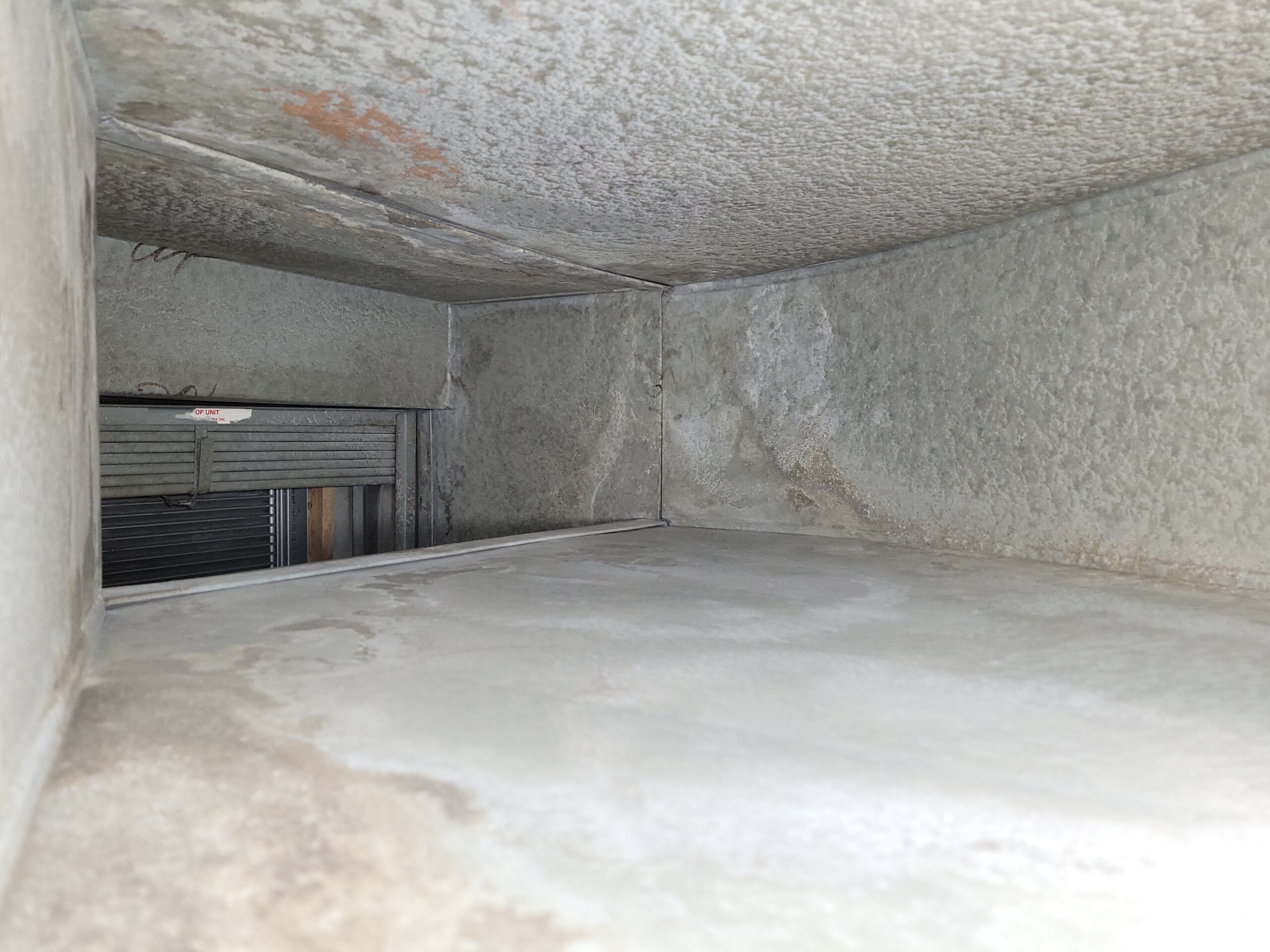
Dirt hitches a ride on turbulent air, then settles where velocity slows. Supply trunks close to the air handler stay fairly clean because airflow is fast and filters do most of the capture. Trouble spots show up downstream: turning vanes, branch takeoffs, and long horizontal runs where velocity drops. Return ducts collect the most because they pull from occupied zones before filtration. Dust bunnies leap into returns the way leaves swirl into a culvert.
The grimiest systems I have inspected share a few traits. One, filters were mismatched to the fan curve, so bypass and blow-by sent dust downstream. Two, access doors were scarce, leaving entire sections impossible to brush. Three, flex duct sections had kinks and sags that trapped particulate like a hammock. Add a moisture source, maybe a humidifier drip or a poorly insulated outside air intake, and you get caked lint that behaves like felt. That mat raises static pressure, lowers airflow, and wears out belts and bearings faster than the maintenance plan assumes.
Why the calendar matters more than the vacuum
Coils and ducts do not get dirty at the same rate. A retail space with constant door traffic, fragrance diffusers, and frequent merchandising kicks up fibers that overwhelm returns. Call centers churn paper dust and skin cells, but with steady temperatures and good filtration they stay manageable. Food plants vary wildly. Office towers can go a few years without a deep clean if the filtration and housekeeping are dialed in. On the other hand, a renovation on one floor, even at night and behind plastic, releases drywall dust that finds its way into the return and rides throughout the plenum.
A sane schedule ties cleaning to measured conditions, not just the calendar. Track pressure drop across filters and coils, and compare kWh per ton or fan kW per cfm over time. If static pressure at design flow creeps up 0.2 to 0.3 inches water column beyond baseline, that is a red flag for duct restriction or coil fouling. Visual inspections at access points help, but instruments settle the argument. The goal is to clean because the system tells you to, then confirm that energy and air quality metrics recover.
Standards worth invoking, even if you never say them out loud
NADCA, the trade group focused on HVAC cleaning, publishes ACR, a standard that defines what clean looks like, not just how to get there. You don’t need to recite chapter and verse, but it is smart to make the contractor reference ACR for acceptance criteria. ASHRAE has guidance around filtration, ventilation rates, and coil maintenance. Fire code requirements touch smoke and fire dampers in duct runs; you can coordinate damper testing the same weekend if you plan ahead.
I like to tuck one sentence into the statement of work: “Cleaning shall conform to NADCA ACR for source removal, with post-clean verification by visual inspection and quantitative particulate sampling at defined locations.” That gives you leverage when someone waves a shop vac near a return grille and calls it a day.
The prework that separates a good job from a mess
More than once I have seen a crew arrive with a trailer full of gear and no path to the mechanical room because security had not cleared access. Or the building had a tenant event, and the only elevator got held half the morning. The cleaning window shrank to a few hours, negative air pressure sagged when the breaker tripped, and the result looked fine on Monday but added nothing measurable.
Here is a compact pre-clean planning checklist that has rescued me from those headaches:
- Verify scope on drawings: which air handling units, supply and return trunks, branch lines, VAV boxes, and terminal devices are included, plus the number and location of access panels to be cut and later sealed. Confirm power and logistics: dedicated 120 V and 208/230 V circuits for HEPA vacs and rotary brush motors, elevator reservations, roof access, loading dock timing, and parking for the rig. Lock in occupant communication: hours of work, noise expectations, possible odors from coil cleaners, what to do with sensitive areas like clinics or labs, and point of contact per tenant. Establish acceptance criteria: pre and post photos at identical waypoints, particulate sampling method and thresholds, coil and filter pressure drops, and maximum allowable leakage at new access doors. Protect the building: lay down poly in work paths, isolate smoke detectors to avoid false alarms, and plan temporary filtration to shield equipment when sections are opened.
Five items look simple. Executing them takes calls, walk-throughs, and a little diplomacy. But when the pieces are in place, the rest of the job feels easy.
Choosing methods and tools that actually remove debris
Commercial duct cleaning that works uses source removal, not perfume. Negative air machines with HEPA filters attach to the duct, turning it into a vacuum conveyor. Rotary brushes and air whips dislodge material, which the airflow carries to the collector. If a contractor leads with fogging biocides or ozone generators, pause. Chemicals can be appropriate in limited cases, like post-remediation microbials, but they never substitute for mechanical removal.
Brush choice matters. Soft nylon for lined ducts and flex runs, steel only where the duct is unlined and heavy scale has formed. I Advanced Environmental Service have seen acoustic duct liner chewed up by an aggressive brush, leaving fibers that later shed into the occupied space. Air whips excel in long horizontal runs. Remote cameras confirm you reached all sides of the duct, especially after an elbow or reducer. Good crews show you video, not just stills of the one section that sparkles.
Coils need their own protocol. Fin combing and low pressure, non-acid foaming cleaners keep the aluminum intact and restore heat transfer. High pressure washers can fold fins and reduce capacity. Always measure coil delta P and air temperature change across the coil before and after. If the cleaning “looks great” but the delta T and pressure drop don’t move, you did theater, not maintenance.
Special cases that trip people up
Mixed-use buildings often share central air handlers between retail at grade and office above. The return paths carry entirely different contaminants. Perfumers and coffee roasters seed volatile organics into the returns that can settle on coils. Logging complaints as “office odor” misses the root cause. Segment the ductwork where possible or upsize filtration. Kitchen exhaust should never be lumped into general commercial duct cleaning. It follows NFPA 96 and needs degreasing by specialists.
Old ducts, especially in mid-century buildings, might contain loose mineral fiber or used to hold asbestos mastic. A test run with the brush or a prework survey can head off a regulatory mess. If liner or insulation is breaking down, cleaning alone won’t fix it. Your scope may need to add encapsulation, re-lining, or in worst cases, duct replacement.
Healthcare wings add another layer. Negative pressure rooms, isolation wards, and any area with immunocompromised occupants require tighter controls. HEPA on HEPA, anterooms, and work during shutdown windows only. I once diverted a crew for three hours because a nurse manager had not been told the return in a chemo infusion room would be opened. An extra day of planning would have saved a week of goodwill.
What success looks like in numbers, not adjectives
Contractors like to say the system is “good as new.” New compared to when? Baselines help. If you do not have historical data, create it on the first cleaning cycle and guard it. Measure and log:
- Static pressure before and after cleaning at identical fan speeds. Coil pressure drop and temperature split, both heating and cooling where applicable. Fan kW, cfm if you can, or at least inches water column versus percent speed on VFDs to estimate flow. Particulate counts upstream and downstream of the air handler using a handheld counter in a repeatable protocol. Filter life in days to changeout at the same MERV rating and brand.
On a 200,000 square foot office building I managed, we saw fan energy drop by 9 to 12 percent after a comprehensive cleaning and coil service, measured over two billing cycles with similar weather. Filters went from five weeks to nearly eight weeks before hitting the differential pressure threshold. Tenants stopped reporting that afternoon slump smell around 3 p.m. Anecdotes matter because they reflect occupant experience, but the meters will keep your budget intact.
Structuring the day-of work so it finishes on time
Crews that start by cutting access panels without confirming negative pressure upstream will snow-globe the space in minutes. A good sequence starts at the air handler, establishes capture airflow, then moves downstream. Isolate zones to keep debris migration from fouling clean sections. Zip ties and tape are not a seal; use code-compliant access doors and UL listed mastic or gaskets.
Your role during the workday is quietly decisive. Walk the site at set intervals. Check that HEPA machines are pulling enough air to wrinkle the poly sheet at access cuts, not just hum in the background. Confirm that debris containment barrels are closed between runs, that egress paths stay clear, and that the crew logs photos at every planned waypoint. If your crew leader looks surprised by your checklist, you picked the wrong firm.
Here is a field-ready verification sequence I keep in my notebook for the big day:
- Confirm lockout-tagout on the air handler and fans, then verify VFDs are in hand mode for any required test runs. Check negative pressure in the section to be cleaned with a simple tissue test or a manometer at an access cut. Review brush heads and whip settings for the duct material in that section; stop if you see steel going into lined duct. Observe the first and last branch in a run to ensure full contact and debris capture; ask for a quick camera pass. Log pre and post values at your chosen meters, and time stamp photos in the shared folder while still on site.
Five steps, but they impose order when tempo and tools could run the job instead.
The contract language that saves you later
You cannot out-negotiate a vague scope. Spell out deliverables: prework risk assessment, access panel schedule with locations, cleaning plan, equipment list by type and capacity, daily cleanup, and a final report with photos and metrics. Set holdbacks until data matches criteria. If the crew has to return because the after-reading still shows high static or visible residue, the cost should be theirs.
I have seen success tying payment to percent of system completed only after you sign off on photographs from defined camera points and spot checks. Nothing elaborate, just consistent: upstream and downstream of major fittings, inside a sample of VAV boxes, immediately after coils, and at the last elbow before diffusers in representative zones. Include a clause that all cut access will be sealed with rated doors and insulation to match or exceed existing R value. Lost R value along a 60 foot return in a conditioned plenum is an invisible energy leak that racks up on your bill.
Coordination with other maintenance to multiply the benefit
Duct cleaning aligns beautifully with other shutdown tasks. If you are going to wrestle schedules and tenant patience once, maximize the gain.
Swap in new filters after the clean, not before. It sounds obvious. I have still walked into buildings on Monday where someone proudly installed pristine MERV 13 filters on Friday morning, right before the cleaning. The filters wore a coat of gray by Sunday.
Check and balance airflow once the system is clean. It is easier to dial back VFD speeds and re-establish design flows when ducts are clear. Adjust static pressure setpoints on packaged units that were only raised over the years to overcome blockages. Lowering static saves fan energy and reduces noise.
Coordinate damper testing. Fire and smoke dampers that have not been exercised in ages often surprise everyone by failing. Better to find them while you have ceiling tiles open and a lift on site.
Tenants and optics: the side of the job that doesn’t show up in spec books
People remember smells, movement of furniture, and noise at odd hours more than they remember the delight of breathing cleaner air. Communicate well. Post notices that reference hours and likely noises, and offer a direct line for issues. Sweep up anything visible before dawn. If you raise dust near desks, leave a small card apologizing and promising a day clean-up, then deliver it.
The best compliment I have received after a full-building clean was an email that said, “We didn’t notice a thing, but the place feels fresher.” That balance takes discipline. A messy crew can ruin the perception of the work even if the ducts are spotless.
A quick word on costs and how to defend them
Budgets vary by market, complexity, and access. As a rough guide from my projects: full source-removal cleaning for supply and return trunks, with coil service and VAV interiors in a Class A office building, runs in the range of 0.30 to 0.75 dollars per square foot of served area. Tight spaces, night work, and heavy access door additions push toward the upper end. Hospitals and labs live in their own category.
When finance asks why this matters, show avoided energy costs, extended filter life, fewer hot and cold complaints, and indoor air quality benefits that align with HR’s goals for comfort and attendance. A small drop in fan energy often pays a chunk of the invoice within a year, and the rest follows from better uptime and fewer after-hours calls.
Aftercare: keeping ducts clean longer than a season
The smartest commercial duct cleaning I ever scheduled became the last for a long time because we fixed root causes. We upgraded filtration from MERV 8 to MERV 13 where fans could handle it, sealed leaky return seams that were pulling dust from above ceilings, and tightened up housekeeping near returns. We set up a quarterly inspection at predetermined access points with photo logs and a simple color code: clean, mild film, or accumulation. When we saw early film, we looked upstream for a recurrence, not just downstream for dust.
Humidity control matters. Elevated humidity lets dust cake and stick. Keep condensate pans pitched and clean, treat drains, and insulate ducts that sweat. If the outside air intake is drawing construction dust or pollen from a neighboring roof, add a prefilter, move the intake, or at least adjust schedules during nearby work.
Most systems stay cleaner than you think when filtration works and housekeeping supports it. When a space is under renovation, protect nearby returns with temporary filters and covers. Ten minutes with plastic and tape saves days of downstream cleaning.
Pulling it together
If you remember nothing else, remember this. Define what clean looks like before a crew cuts metal. Make them prove they achieved it with pictures and numbers, not words. Stack other maintenance into the same window to magnify benefits. Line up logistics so workers can do the job without playing Tetris in your loading dock. And think of duct cleaning not as a one-off wash, but as part of a performance loop that you can track on a dashboard: static pressure, coil delta P, fan kW, filter life, particulate counts.
Commercial duct cleaning is not glamorous. It sits in that category of work that, when done well, vanishes from memory and line items. The air gets easier to move, the building feels lighter on its feet, and your inbox gets a little quieter. That is not a headline. It is what competence feels like in a mechanical room.